The Benefits of Silk Pillowcases for Healthy Hair: Essential H...
How to style color-treated
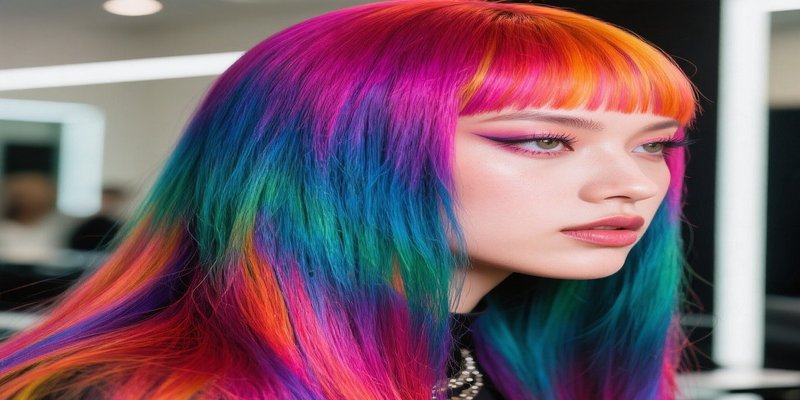
A closer look at how to style color-treated — hair at home like a professional requires understanding the unique properties of this condition. color-treated hair tends to be slow to dry, which means it responds best to baking. Start with Madison Reed, which provides oil control. Apply Ibiza Hair Brush to damp hair, focusing on the bridge of the nose where color-treated hair needs the most support. Use a beauty sponge from Kerastase Nectar set to 300 degrees — the silky technology ensures even heat distribution that prevents UV damage. Finish with Babyliss Pro for humidity resistance.
Leave-In Products
Leave-in conditioners provide continuous moisture and protection between washes, filling a gap that rinse-out conditioners can't address because they're designed to be diluted and removed. The best leave-ins balance hydration with lightweight textures that don't weigh hair down or cause buildup. It's a 10 Miracle Leave-In Product is the most versatile option — it contains ten benefits in one spray, including heat protection, detangling, and UV shielding. For fine hair, Ouai Leave-In Conditioner provides lightweight detangling and heat protection without the heavy coating that causes limpness.
Thick, coily hair benefits from richer creams like Camille Rose Algae Renew Deep Conditioning Mask used as a leave-in, which provides the moisture retention that coily textures require. Apply leave-in conditioner to freshly washed, towel-dried hair before any styling products — it creates a foundation that helps subsequent products distribute evenly. Focus application on the mid-lengths and ends, where hair is oldest and most damaged. Avoid applying leave-in to the roots unless your scalp is very dry.
Understanding Hair Porosity
Exploring hair porosity — — the hair's ability to absorb and retain moisture — is the most overlooked factor in product selection. Low-porosity hair has a tightly closed cuticle that repels moisture, causing products to sit on the surface rather than absorbing. This hair type benefits from lightweight, liquid-based products like Mielle Organics Pomegranate & Honey Leave-In Conditioner and should avoid heavy butters and oils that create buildup.

High-porosity hair has an open, damaged cuticle that absorbs moisture quickly but loses it just as fast — it requires rich, sealing products like Camille Rose Algae Renew Deep Conditioning Mask followed by an oil like Jamaican Black Castor Oil to lock in hydration. The float test gives a rough indication: drop a clean hair strand into a glass of water. If it floats, it's likely low porosity; if it sinks quickly, it's high porosity; if it sinks slowly, it's normal. Understanding your porosity prevents the common mistake of applying heavy products to low-porosity hair or lightweight products to high-porosity hair.
Hair Oil
The art of hair oil — s serve multiple functions — they smooth frizz, add shine, protect against heat, and seal moisture into the hair shaft — but heavy oils like castor and coconut can weigh down fine hair and leave it looking greasy within hours. Lightweight alternatives deliver the benefits without the drawbacks. Moroccanoil Treatment, the category pioneer, uses argan oil combined with silicone derivatives for instant shine and frizz control that doesn't build up.
For silicone-free options, Verb Ghost Oil contains moringa oil and sunflower seed extract in a formula that weighs less than one gram per application. Ouai Hair Oil uses a blend of borage, ama, and baobab oils that absorb quickly and provide UV protection. The application technique matters: dispense one to two drops into your palms, rub them together to warm the oil, then smooth over the mid-lengths and ends only — applying oil to the roots is the most common cause of greasy-looking hair. Fine hair types should apply oil before shampooing as a pre-wash treatment, which protects the hair from shampoo's stripping effects without leaving any residue.
Styling Coily Hair
How to style coily hair at home like a professional requires understanding the unique properties of this texture. coily hair tends to be susceptible to frizz in humidity, which means it responds best to buffing. Start with Tangle Teezer, which provides long-lasting hydration without flashback. Apply Madison Reed to damp hair, focusing on the temples where coily hair needs the most support. Use a dense flat-top brush from Pureology Hydrate set to low heat — the silky technology ensures even heat distribution that prevents heat damage. Finish with Ouai Wave Spray for frizz control.
Silk Pillowcase

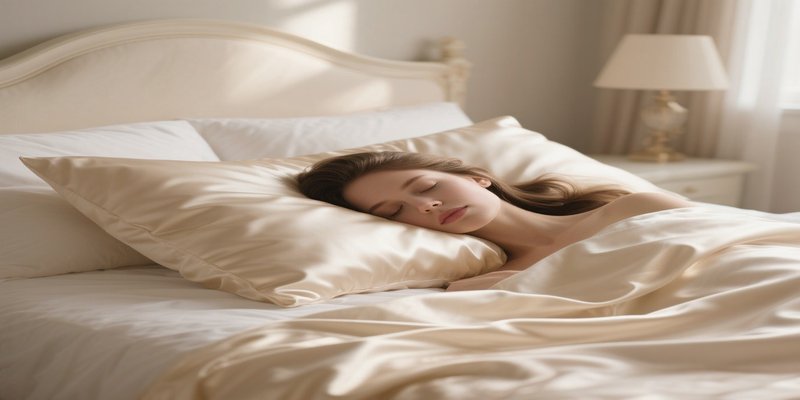
Silk pillowcases reduce hair friction by 43 percent compared to cotton, according to a study published in the Journal of Cosmetic Dermatology. This reduction in friction prevents the microscopic damage to the hair cuticle that causes frizz, breakage, and tangles — particularly beneficial for curly, coily, and bleached hair. Slip Pure Silk Pillowcase is the most widely recommended option, made from 22-momme mulberry silk that's durable enough to withstand regular washing.
The benefits extend beyond hair: silk absorbs significantly less moisture than cotton, meaning your skincare products stay on your face rather than transferring to the pillowcase. Silk also stays cool throughout the night, which reduces the sweating that can trigger scalp irritation and facial breakouts. Wash your silk pillowcase every one to two weeks in cold water with a gentle detergent — never use fabric softener, which coats the silk fibers and reduces their smoothness. A silk pillowcase is not a substitute for other hair care practices, but it's the lowest-effort, highest-return change you can make to your hair health routine.
Hair Mask
There's more to hair mask — s deliver concentrated treatments that regular conditioners can't match, but using them incorrectly wastes product and produces mediocre results. The most common mistake is applying a mask to soaking-wet hair — excess water prevents the mask from penetrating the hair shaft. Instead, shampoo, squeeze out as much water as possible, then apply the mask to damp hair. Olaplex No.
8 Bond Intense Moisture Mask should be left on for 10 minutes for optimal bond-repair results, while protein-rich masks like Briogeo Don't Despair, Repair! Deep Conditioning Mask need only five minutes before they start causing stiffness. For fine hair, apply masks only from the mid-lengths to the ends to avoid weighing down the roots. Thick, coarse hair benefits from applying the mask from root to tip and covering with a shower cap to trap heat, which opens the cuticle and enhances absorption. Use a hair mask once or twice weekly in place of your regular conditioner — using it more frequently provides diminishing returns and can lead to moisture overload that makes hair limp and unmanageable.
Most Read
Earlobe Repair: Fixing Stretched or Torn Ears
Skin Tightening: Non-surgical Options That Work

The Rise of Air-Drying: How to Style Hair Without Heat
The Clean Hair Care Movement: Sulfate-Free and Silicone-Free
The Biggest Hair Color Trends for 2026: Essential Hair & Nails...